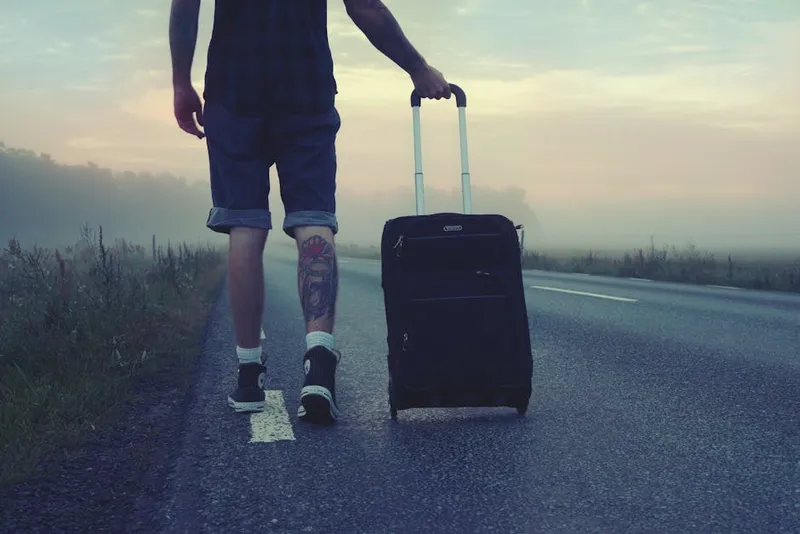
Travel can be a transformative experience, but for some, the changes extend beyond personal growth. Many travelers return home not just with memories but with noticeable shifts in their accents, mannerisms, and even their appearance. This phenomenon has sparked curiosity among psychologists and sociolinguists alike.
According to experts, this behavioral shift is often tied to a psychological concept known as social identity theory. When individuals immerse themselves in a new culture, they may subconsciously adopt traits from the people around them. This process of assimilation helps travelers feel more connected and accepted in their temporary environments.
One primary factor influencing this change is the desire to fit in. Travelers often mimic the local dialects or accents as a way to bond with residents. This mimicry can occur unconsciously, as the brain adjusts to new linguistic patterns. Linguist Dr. Jane Thompson explains, "Accent adaptation is a natural response to social interaction. People are wired to connect with others, and language is a powerful tool for that."
In addition to adopting accents, people may also return home with altered speech patterns and phrases. Linguistic features such as intonation, rhythm, and even slang can infiltrate their everyday conversations. This phenomenon, known as "code-switching," allows individuals to navigate different social contexts more effectively.
Physical appearance can also change as a result of travel. Exposure to different styles of dress, grooming habits, and cultural norms can influence how one presents themselves upon returning home. Travelers may find themselves adopting new clothing styles or hairstyles that they encountered during their trip. Psychologist Dr. Sarah Mitchell notes, "Travel offers a chance to reinvent oneself, and that can include outward appearances. It’s a form of self-expression that reflects the experiences they’ve had."
Moreover, the effects of travel can be particularly pronounced in individuals who spend extended periods abroad. For example, expatriates or students studying in foreign countries may develop stronger accents and mannerisms due to prolonged exposure. As they integrate into local communities, their identities may blend with those of the host culture, leading to more lasting changes.
However, the return to one's home country can trigger a reverse effect. Upon re-entry, travelers may feel pressure to revert to their original mannerisms and accents. This tension can create a sense of dissonance, as individuals navigate between their newfound identity and the expectations of their home environment. "It's a balancing act," Dr. Thompson adds. "People often feel they need to reclaim their original self while grappling with the remnants of their travel experiences."
The impact of travel on identity is not limited to individual travelers. It can also affect groups, such as families or friends who vacation together. Shared experiences can lead to collective changes in behavior, as group members influence one another. This phenomenon is particularly evident in social settings where group dynamics play a role in shaping communication styles and mannerisms.
Traveling can also serve as a catalyst for broader awareness and appreciation of cultural diversity. As individuals return home with new accents or mannerisms, they may also bring back a heightened sensitivity to cultural nuances. This can foster a greater understanding of global issues and a desire for connection with people from different backgrounds.
In conclusion, the tendency to adopt accents, mannerisms, and even styles after travel is a complex interplay of psychology, social interaction, and personal identity. While some may see these changes as superficial, they often reflect deeper connections forged during travel. As people continue to explore the world, these transformations remind us of the rich tapestry of human experience and the profound impact of cultural exchange.