The World's Safest Countries: A Refuge Amid Global Unrest
As the world grapples with the highest number of active conflicts since World War Two, countries like Iceland and New Zealand stand out as bastions of safety. Residents of these nations share insights into the qualities that contribute to their peaceful environments, offering a stark contrast to the turmoil seen globally.
Iceland has consistently topped the Global Peace Index, and its residents attribute this to a combination of social cohesion, low crime rates, and a lack of military forces. "We have a strong sense of community here," says Anna Björnsdóttir, a Reykjavik local. "People look out for each other, and there’s a general trust among us."
New Zealand, ranked as one of the safest countries, showcases a similar environment. The nation’s focus on social welfare, along with its geographical isolation, contributes to a sense of security. "It feels like a bubble," explains Mark Thompson, a Wellington resident. "The natural beauty and friendly communities create a peaceful atmosphere that’s hard to find elsewhere."
The Role of Governance and Policy
Effective governance plays a crucial role in maintaining peace in these countries. Both Iceland and New Zealand foster transparent political systems that prioritize the well-being of their citizens. Political stability is often seen as a foundation for safety, with low levels of corruption and high levels of public trust in government institutions.
In Iceland, the absence of a standing army and the emphasis on diplomatic solutions have paved the way for a culture of peace. "We believe in resolving conflicts through dialogue," says Björnsdóttir. "It's part of our national identity."
New Zealand’s commitment to inclusivity and social justice also contributes to its safety. The government actively works to ensure that all citizens, regardless of background, feel represented and secure. "When people feel valued and heard, they are less likely to resort to violence," adds Thompson.
Community and Social Dynamics
The social fabric of these safe countries is woven with threads of community engagement and mutual support. In Iceland, community events and local gatherings strengthen bonds among residents. "We celebrate our culture and history together, which reinforces our sense of belonging," Björnsdóttir says.
In New Zealand, the concept of "whānau" (extended family) plays a pivotal role in community life. This cultural practice encourages collective responsibility and care for one another. "It’s not just about immediate family; it’s about everyone in the community looking out for each other," Thompson notes.
Natural Geography as a Shield
Geographical isolation also contributes to the safety of these nations. Surrounded by vast oceans, both Iceland and New Zealand are somewhat protected from external conflicts. This natural barrier fosters a sense of security that is often lacking in more interconnected regions of the world.
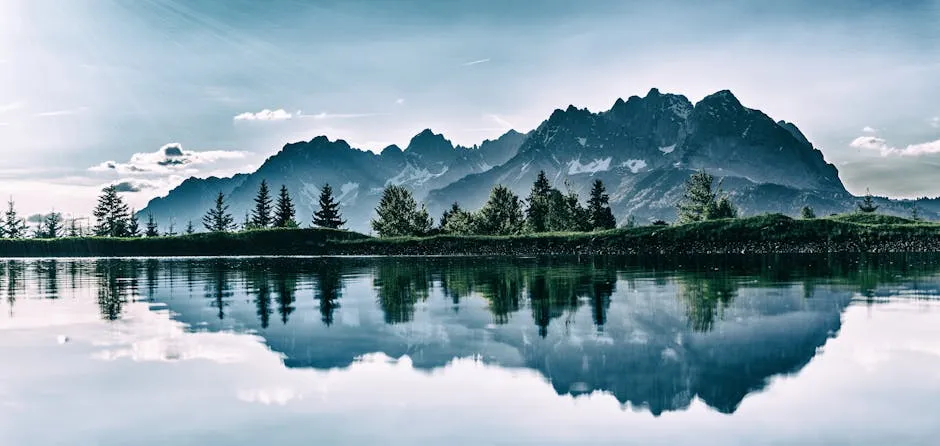
The stunning landscapes of these countries not only provide a serene environment but also promote a lifestyle that emphasizes outdoor activities and connection to nature. Residents often find solace in hiking, skiing, and enjoying the great outdoors, which enhances their overall sense of well-being.
Challenges Ahead
Despite their safety, both Iceland and New Zealand face challenges. Climate change poses a significant threat, particularly to New Zealand's agriculture and tourism sectors. Additionally, the rise of global tensions can create concerns about economic stability and migration.
"As much as we cherish our safety, we cannot ignore the challenges that lie ahead," Thompson warns. "We have to remain vigilant and proactive in addressing these issues."
Conclusion
Living in the world’s safest countries in 2026, residents of Iceland and New Zealand enjoy a lifestyle marked by peace, community, and a connection to nature. Their experiences highlight the importance of effective governance, social cohesion, and geographical advantages in fostering a secure environment. As they navigate global uncertainties, these nations continue to serve as examples of how peace can be achieved and maintained in an increasingly tumultuous world.